This post may contain affiliate links, which means I’ll receive a commission if you purchase through my links, at no extra cost to you. Please read full disclosure for more information.
This post is all about 100 Grams of Protein A Day.
Ever wondered why protein could be the secret weapon for transforming your health and fitness goals? What if consuming 100 grams of protein daily wasn’t just a fitness trend but a game-changing nutritional strategy?
Protein isn’t just for bodybuilders or athletes. It’s a key nutrient that helps with muscle growth, metabolism, and overall wellness. Reaching 100 grams might seem hard, but it’s doable with the right approach for anyone serious about their health.
This guide will cover everything you need to know about protein intake. We’ll look at understanding your body’s needs and practical ways to boost your daily protein.
Key Takeaways
- Protein is essential for muscle recovery and metabolic health
- 100 grams of protein can be achieved through diverse food sources
- Strategic meal planning makes protein goals easier
- Different lifestyles can accommodate protein needs
- Protein supports weight management and energy levels
- Start with 9 Delicious High Protein Overnight Oats Recipes to Kickstart Your Day
Why Protein Matters More Than You Think
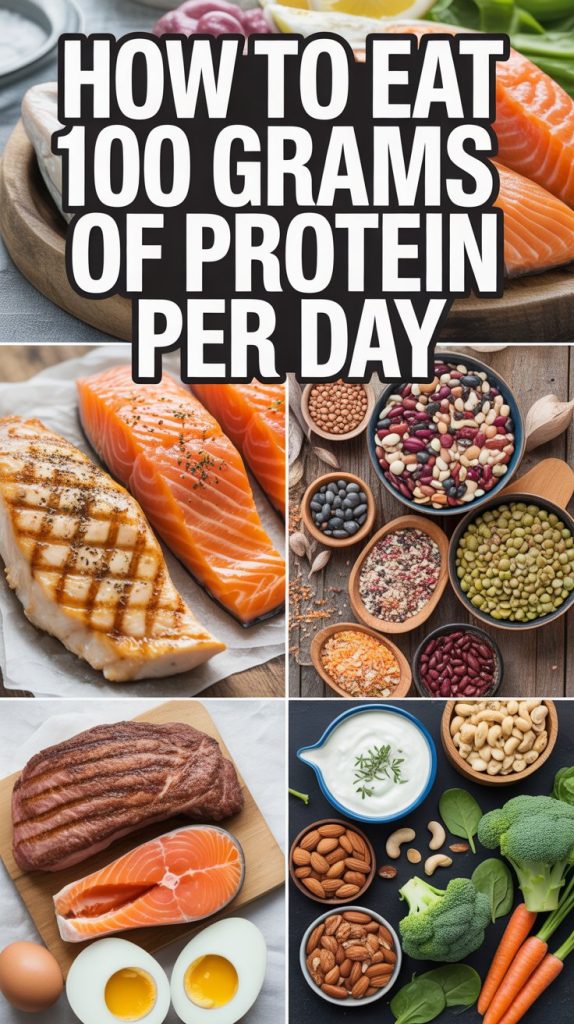
Protein isn’t just for bodybuilders or athletes. It’s a key nutrient for your health and wellness. Your body needs protein for many important functions that keep you strong and energized. Here are some recipes: 17 Delicious High Protein Recipes to Fuel Your Day.
Protein’s benefits go beyond building muscles. It supports your physical and mental health in many ways:
- Supports muscle repair and growth
- Boosts metabolism and weight management
- Helps regulate hormones
- Strengthens immune system
- Promotes healthy skin, hair, and nails
Your body breaks down protein into amino acids. These tiny workers repair and build tissues. Think of protein as the body’s maintenance crew, always working to keep things running smoothly.
Different life stages and activities need different amounts of protein. Whether you’re active, recovering from illness, or want to keep muscle mass as you age, protein is key.
Nutrition experts say to eat protein all day to get the most benefits. Eating small amounts of protein often helps your body use it better than eating a lot at once.
By knowing how protein works, you can make better food choices. This supports your health and fitness goals for the long term.
Understanding Your Daily Protein Needs
Protein is not just for bodybuilders. It’s key for your health and wellness. Knowing how much protein you need helps you eat right, keep muscles strong, and stay energetic.
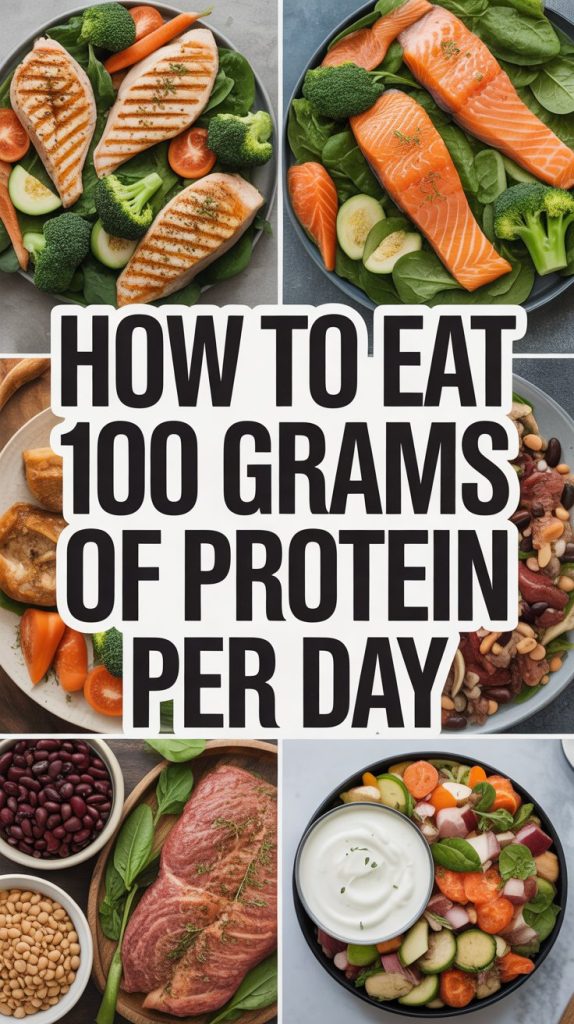
Your protein needs vary. They depend on your age, weight, how active you are, and your health goals. Check out these High Protein Meals: 15 Delicious High Protein Dinner Recipes for a Healthy Meal.
Calculating Your Protein Requirements
Protein intake varies for everyone. Here’s a simple guide to figure out how much you should eat:
- Sedentary adults: 0.8 grams per kilogram of body weight
- Moderately active individuals: 1.2-1.4 grams per kilogram
- Athletes and intense exercisers: 1.6-2.0 grams per kilogram
Who Benefits Most from Higher Protein Intake
Some people really benefit from eating about 100 grams of protein a day:
- Strength training enthusiasts
- People recovering from injuries
- Individuals over 40 experiencing muscle loss
- Those managing weight
| Group | Protein Needs | Primary Benefits |
|---|---|---|
| Athletes | 1.6-2.2g/kg | Muscle repair and growth |
| Weight Loss Seekers | 1.2-1.6g/kg | Appetite control, metabolism boost |
| Older Adults | 1.0-1.2g/kg | Muscle preservation |
These are general tips. Talking to a nutritionist can help you create a protein plan that fits you perfectly.
Starting Your Day with High-Protein Breakfasts
Starting your day with a protein-packed breakfast can change how you feel. It makes you feel full longer, keeps your blood sugar stable, and helps your muscles recover. It’s also good for your overall health.
It’s easy to add more protein to your breakfast. Here are some tasty ways to do it:
- Greek yogurt parfait with nuts and berries (15-20 grams of protein)
- Scrambled eggs with spinach and feta cheese (20 grams of protein)
- Protein smoothie with whey or plant-based protein powder (25-30 grams of protein)
- Overnight chia seed pudding with protein powder (15 grams of protein)
If you’re always on the go, there are quick protein breakfasts for you. Meal prep can help you meet your protein goals easily. Try making egg muffins or protein pancakes ahead of time for a quick breakfast.
For those who prefer plant-based options, there are great choices too. Tofu scrambles, protein-enriched oatmeal, and nut butter on whole-grain toast are all good. The most important thing is to find something you like and that fits your diet.
Try to get 20-30 grams of protein at breakfast. This will help you reach your daily goal of 100 grams of protein. Your body will appreciate the extra nutrition in the morning!
Building Protein-Packed Lunches That Satisfy
Lunch doesn’t have to be boring. With smart planning, you can make delicious, protein-rich meals. Choose ingredients that are nutritious and tasty.
Quick Lunch Ideas with 30+ Grams of Protein
Try a Greek-inspired lunch for serious protein power. Start with 120 grams of cooked chicken breast for 30g of protein. Add chickpeas for plant-based protein and fiber, crumbled feta for calcium and flavor, and a creamy Greek yogurt dressing for more protein.
- Chicken breast (120g): 30g protein
- Chickpeas: 7g protein
- Feta cheese: 4g protein
- Greek yogurt dressing: 5g protein
This mix naturally hits 35 grams of protein. It’s colorful, satisfying, and has different textures.
Meal Prep Tips for Busy Weekdays
Make lunch prep easier with these tips:
- Stock your pantry with shelf-stable proteins:
- Canned tuna
- Canned beans
- Dried lentils
- Batch cook proteins on weekends:
- Roast multiple chicken breasts
- Prepare whole chicken for multiple meals
- Repurpose dinner leftovers:
- Transform roasted chicken into hearty salads
- Top with canned beans and fresh vegetables
Pro tip: Meal prep doesn’t need hours or fancy containers. Smart planning and simple techniques make high-protein lunches easy.
| Protein Source | Protein (g) | Additional Benefits |
|---|---|---|
| Chicken Breast | 30 | Lean protein, low fat |
| Chickpeas | 7 | Fiber, plant-based |
| Feta Cheese | 4 | Calcium, flavor |
| Greek Yogurt | 5 | Probiotics, creamy texture |
Creating Balanced High-Protein Dinners
Making tasty high-protein dinners can boost your nutrition and keep meals fun. It’s all about picking proteins that are full of nutrients but not too many calories.
Look for lean proteins that are rich in nutrition. Chicken breast has 26g of protein and just 150 calories per serving. This is more than a T-bone steak, which has 21g of protein and 250 calories per 3oz. This shows how choosing the right proteins can help you reach your health goals.
- Grilled chicken breast
- Baked salmon
- Turkey meatballs
- Tofu stir-fry
- Lean ground turkey
Planning your meals gets simpler when you know about protein density. Your dinner should aim for 30-40% of your daily protein. This makes choosing the right proteins very important.
| Protein Source | Protein (g) | Calories |
|---|---|---|
| Chicken Breast | 26g | 150 |
| T-bone Steak | 21g | 250 |
| Salmon | 22g | 208 |
| Tofu | 15g | 94 |
Try different proteins to keep your dinners exciting and balanced. Add colorful veggies and complex carbs for a meal that supports your fitness and health goals.
Smart Snacking to Reach Your Protein Goals
Protein-packed snacks are key to keeping your energy up and meeting your nutritional needs all day. They help fill the gap between meals and ensure you get enough protein.
Portable Protein Snacks for On-the-Go
Busy lives need easy protein solutions. Here are some quick and healthy options:
- Apple slices with 2 tbsp natural peanut butter and turkey stick
- Protein shake made with pea protein, frozen berries, and coconut water
- Hard-boiled egg, ounce of parmesan cheese, and handful of salted almonds
Almonds stand out, with 6g protein per 1oz. They’re full of magnesium, fiber, and healthy fats, making them a great snack.
Evening Snacks That Support Your Goals
Nutritious, protein-rich snacks are perfect for late-night munching. Try these:
- Cottage cheese and berries
- Trail mix with pumpkin seeds, pistachios, dried cherries, and dark chocolate chips
- Holy Cacao collagen hot chocolate made with organic whole milk
| Snack | Protein Content | Additional Benefits |
|---|---|---|
| Cheddar Cheese | 7g per 1oz | 30 fewer calories than chips, 6x more calcium |
| Lean Jerky | 9g per 1oz | High protein, low fat |
| Edamame | 18.4g per cup | Plant-based protein source |
Smart snacking means picking snacks that are full of nutrients and keep you full. Try these ideas to find your favorite protein-rich snacks.
Simple Strategies to Hit 100 Grams of Protein Without Tracking
Getting enough protein doesn’t have to be hard. You can easily increase your protein with simple strategies that fit your life.
Begin by changing your morning. Add collagen peptides to your coffee or matcha. This adds 15 grams of protein right at the start of your day. It’s a great way to start strong.
- Base your meals around protein sources like chicken, fish, tofu, and eggs
- Use more than one protein source per meal (add cheese, beans, and seeds to salads)
- Read nutrition labels carefully to understand protein content
Make beans and lentils a big part of your diet. They’re packed with protein and fiber, good for your muscles and digestion. Keep your kitchen stocked with protein-rich foods to make healthy eating simple.
Eating protein first at meals can change the game. It makes you feel full and might help you eat fewer calories.
Remember, it’s not about being perfect. It’s about making choices that fit your life.
Best Protein Sources for Every Eating Style
Protein comes in many tasty forms, for meat lovers, vegetarians, or anyone in between. You can enjoy a healthy diet that fits your taste and needs.
There’s no need to limit your diet when exploring protein sources. You can choose from animal-based or plant-based options. This variety helps you meet your nutritional goals.
Animal-Based Protein Powerhouses
- Lean Meats: Chicken has just under 26g per 3oz, making it a great protein choice
- Seafood Options:
- Tuna: 40g per can
- Salmon: Rich in omega-3s
- Striped bass: 28g per fillet
- Sardines and mackerel: Excellent omega-3 sources
- Dairy Delights:
- Greek yogurt: 25g per cup
- Cottage cheese: 23g per cup
- Cheddar cheese: 7g per oz
- Eggs: 12.56g per 2 eggs
- Lean jerky: 9g per oz
Plant-Based Protein Champions
- Legumes:
- Lentils: 23g per 100g serving
- White beans: 24.5g per 100g serving
- Chickpeas: 15g per cup
- Edamame: 18.4g per cup
- Grains and Seeds:
- Quinoa: 8g per cup
- Amaranth: Over 9g per cup
- Chia seeds
- Pumpkin seeds
- Pea protein powder: 25g per scoop
- Tofu and tempeh: Complete protein sources
- Nuts: Almonds (6g per oz), Peanut butter (7g per 2 tbsp)
Creating a protein plan doesn’t have to be dull. Mix different sources to make tasty, healthy meals. These meals will keep you full and energized all day.
Conclusion
Reaching 100 grams of protein daily is easier than you think. By using the tips we’ve shared, you can change your diet and reach your health goals. Every meal and snack is a chance to give your body what it needs.
Protein is more than just for muscles. It helps with metabolism, energy, and health. You can choose from animal proteins like chicken and eggs or plant-based options like tofu and lentils. There are many tasty ways to get enough protein.
Your protein journey is unique and adaptable. Begin with small steps, try different protein sources, and pay attention to how you feel. With regular effort and wise choices, reaching your daily protein goal will become easy and rewarding. Every protein-rich meal is a step towards better health.
The focus should be on making progress, not being perfect. Adopt these protein tips, keep learning about nutrition, and see how your body changes. Your journey to better health begins today.